

Learning Center See how Optellum helps
Beyond infections & cancer
Lung disease
Welcome to our Learning Center on chronic lung disease. Here you’ll find essential information about what it is, and how we diagnose and treat chronic lung disease
 See how Optellum helps
Topics
Types
Causes
Differential diagnosis
Early diagnosis
COPD
Non-smokers
Progression
Treatment
Risk reduction
Types
What are the most common types of chronic lung diseases?
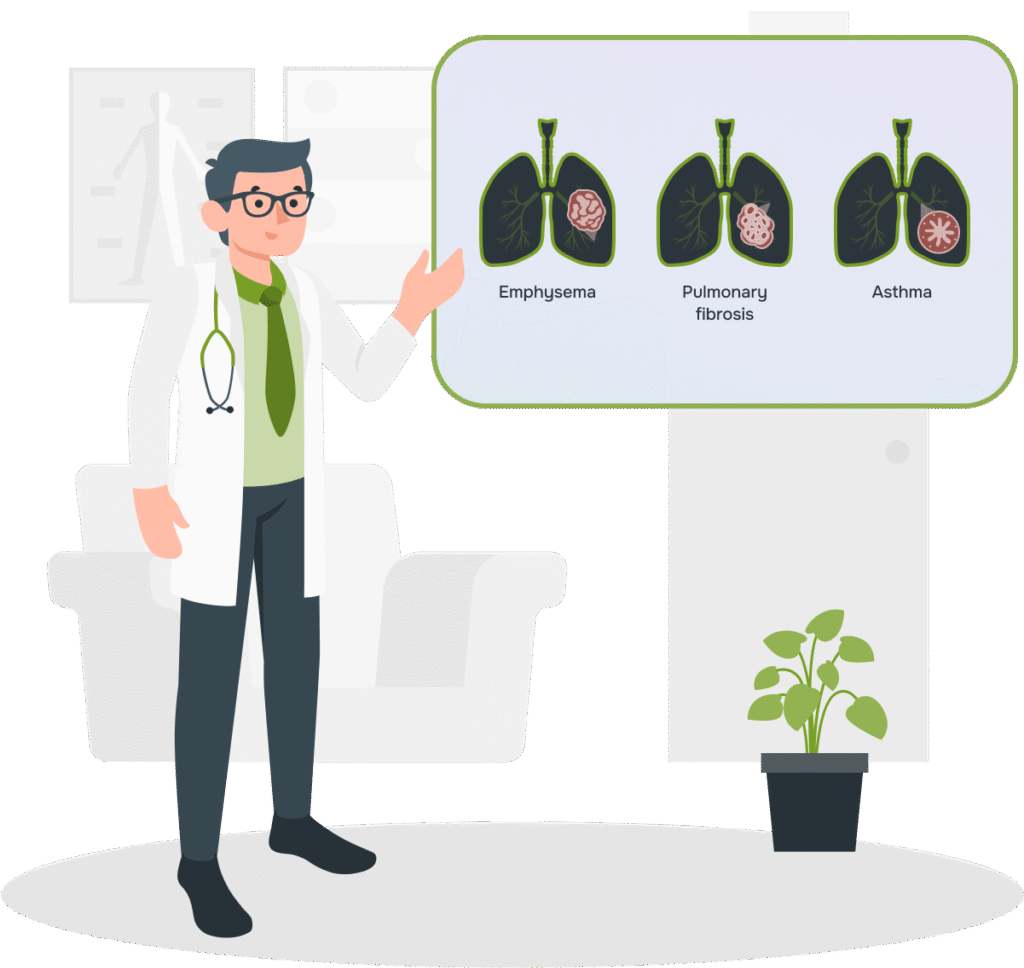
Chronic lung diseases include conditions that affect lung function over time, often leading to progressive breathing difficulties. Chronic obstructive pulmonary disease (COPD), which includes emphysema and chronic bronchitis, affects over 300 million people globally and is a leading cause of death. Asthma affects more than 260 million people, often beginning in childhood. It causes airway inflammation and can lead to long-term lung damage if poorly managed. Pulmonary fibrosis and interstitial lung diseases (ILDs) involve scarring of lung tissue, making it harder for oxygen to enter the bloodstream. While fibrosis and ILDs are less common, they still affect hundreds of thousands worldwide, with many cases going undiagnosed. Occupational lung diseases, such as those caused by long-term exposure to dust, chemicals, or fumes, also contribute to the burden of chronic lung conditions. Other chronic lung diseases include pulmonary vascular diseases, such as pulmonary hypertension, which affect the blood vessels in the lungs and can lead to severe complications like right heart failure. Cystic fibrosis is a genetic disorder that affects approximately 100,000 people worldwide. It is primarily diagnosed in childhood, and causes chronic lung infections and progressive lung damage.1,5,6
These diseases are broadly classified into obstructive, restrictive, and pulmonary vascular lung diseases. Obstructive diseases, like COPD and asthma, block airflow due to airway narrowing or inflammation, making it difficult to exhale fully. Restrictive diseases, like pulmonary fibrosis and ILDs, reduce lung expansion due to stiff or scarred lung tissue, limiting the amount of air the lungs can hold. Understanding this distinction is key for diagnosis, treatment, and monitoring disease progression.5,6
These diseases are broadly classified into obstructive, restrictive, and pulmonary vascular lung diseases. Obstructive diseases, like COPD and asthma, block airflow due to airway narrowing or inflammation, making it difficult to exhale fully. Restrictive diseases, like pulmonary fibrosis and ILDs, reduce lung expansion due to stiff or scarred lung tissue, limiting the amount of air the lungs can hold. Understanding this distinction is key for diagnosis, treatment, and monitoring disease progression.5,6
Causes
How do chronic lung diseases develop, and what causes them?
Many chronic lung diseases arise from long-term exposure to harmful substances, such as tobacco smoke, air pollution, or occupational hazards like silica or asbestos. Genetics can also play a role, as seen in conditions like alpha-1 antitrypsin deficiency (AATD), which can lead to early-onset COPD.7 Some lung diseases, such as idiopathic pulmonary fibrosis (IPF), develop without a clear external trigger, making early diagnosis and monitoring critical. Autoimmune disorders like rheumatoid arthritis and scleroderma can also cause lung damage over time.5,6
Differential diagnosis
How do doctors differentiate between different lung diseases?
Diagnosis of lung disease typically involves a combination of imaging, lung function tests, and clinical history. Lung function tests measure airflow and lung capacity, distinguishing between obstructive diseases like COPD and restrictive diseases like pulmonary fibrosis. Spirometry, a simple and non-invasive lung function test, is the gold standard for diagnosing COPD, measuring how much air a person can exhale and how quickly. However, despite its effectiveness, spirometry remains underutilized, with many cases of early-stage COPD going undetected due to limited access, lack of routine screening, or misattribution of symptoms to aging. High-resolution CT scans help detect scarring, airway narrowing, and nodules, while AI-powered imaging tools can aid in early pattern recognition and disease classification. Blood tests, genetic screening, and bronchoscopy may also be used for more precise diagnosis.5,6,8
Early diagnosis
Why is early diagnosis of lung disease so important?
Many chronic lung diseases, including COPD and pulmonary fibrosis, are irreversible once severe lung damage occurs, making early detection of lung disease crucial. In COPD, severity is classified using the Global Initiative for Chronic Obstructive Lung Disease (GOLD) criteria, which stages the disease from mild (Stage I) to very severe (Stage IV), and helps guide treatment decisions.3 Patients diagnosed in earlier stages can benefit from interventions that slow disease progression, such as smoking cessation, pulmonary rehabilitation, and inhaler therapy. Advanced imaging and AI-assisted tools are improving the ability to detect subtle lung abnormalities before they lead to severe symptoms. COPD patients are often first diagnosed during hospitalization for an acute exacerbation, after years of undetected disease. Globally, an estimated 20 million people have severe or very severe COPD (GOLD Stages III & IV), many of whom progressed from undiagnosed or underdiagnosed early-stage disease (Stages I & II). Studies suggest that up to 20% of all COPD cases remain undiagnosed, meaning over 60 million people worldwide may have COPD without knowing it. These patients are at high risk of progressing to severe disease, which can significantly reduce their quality of life and increase their risk of hospitalization and mortality.8,9
Beyond its health impact, COPD also carries a major economic burden. The disease costs the global economy more than $140 billion per year in healthcare expenses and lost productivity.4 In the US alone, direct medical costs for COPD were $31.3 billion in 2019, with projections rising to $60.5 billion by 2029.10 Early detection and intervention not only improve patient outcomes but also help reduce these financial burdens by preventing costly hospitalizations and advanced-stage treatments.
Beyond its health impact, COPD also carries a major economic burden. The disease costs the global economy more than $140 billion per year in healthcare expenses and lost productivity.4 In the US alone, direct medical costs for COPD were $31.3 billion in 2019, with projections rising to $60.5 billion by 2029.10 Early detection and intervention not only improve patient outcomes but also help reduce these financial burdens by preventing costly hospitalizations and advanced-stage treatments.
COPD
What is the difference between COPD and other lung diseases like pulmonary fibrosis?
While both COPD and pulmonary fibrosis affect breathing, they do so in different ways. COPD is an obstructive disease, meaning airflow is limited due to narrowed or damaged airways, making it harder to exhale. Pulmonary fibrosis and interstitial lung diseases (ILDs) are restrictive diseases, where stiff, scarred lung tissue reduces lung expansion, making it difficult to take in oxygen. COPD includes two main forms: chronic bronchitis, where the airways produce excessive mucus and become inflamed, and emphysema, which destroys the alveoli (the lung’s air sacs), reducing the lungs' ability to transfer oxygen into the blood. In emphysema, the lungs lose elasticity, leading to trapped air and hyperinflation, causing persistent shortness of breath. Unlike fibrosis, which results in scarring, emphysema causes permanent lung tissue destruction, making the lungs "overstretched" rather than stiff.5,6
Some people with long-term asthma develop persistent airflow obstruction, a condition known as asthma-COPD overlap (ACO). These individuals share characteristics of both diseases, including airway inflammation seen in asthma and irreversible lung damage typical of COPD. ACO is more common in older adults and smokers with a history of asthma. Treatment differs between these diseases. COPD is managed with inhalers, bronchodilators, and pulmonary rehabilitation to improve airflow, while asthma is managed with inhaled corticosteroids and pulmonary fibrosis treatments focus on slowing scarring progression with antifibrotic drugs. In advanced cases of all three, oxygen therapy or, in severe cases, lung transplantation may be required.11
Some people with long-term asthma develop persistent airflow obstruction, a condition known as asthma-COPD overlap (ACO). These individuals share characteristics of both diseases, including airway inflammation seen in asthma and irreversible lung damage typical of COPD. ACO is more common in older adults and smokers with a history of asthma. Treatment differs between these diseases. COPD is managed with inhalers, bronchodilators, and pulmonary rehabilitation to improve airflow, while asthma is managed with inhaled corticosteroids and pulmonary fibrosis treatments focus on slowing scarring progression with antifibrotic drugs. In advanced cases of all three, oxygen therapy or, in severe cases, lung transplantation may be required.11
Non-smokers
Can non-smokers develop chronic lung diseases?
Yes, chronic lung disease isn’t just a smoker’s disease. Long-term exposure to indoor and outdoor air pollution, secondhand smoke, and occupational dust or fumes can cause lung conditions in non-smokers. Genetic conditions can also play a role: AATD can lead to COPD even in people who have never smoked and cystic fibrosis causes progressive lung damage. Autoimmune diseases, such as rheumatoid arthritis-associated ILD, also cause lung scarring and breathing difficulties. Identifying these risk factors early can help prevent further lung damage.7,9
Progression
How can lung disease progress over time, and how is it monitored?
Chronic lung diseases often worsen gradually, leading to increased breathlessness, reduced exercise tolerance, and frequent exacerbations. Spirometry is a key tool for monitoring COPD progression, measuring lung function decline over time, yet it is underused in routine clinical practice.8 Regular lung function tests (such as spirometry for COPD) and imaging scans help track disease progression. Both opportunistic and investigational AI-powered imaging and radiomics can identify subtle changes in lung structure over time, improving incidental detection, risk stratification, and subsequent treatment planning. Close monitoring allows physicians to adjust medications, recommend lifestyle changes, and intervene before severe complications arise.7,8
Treatment
What are the treatment options for chronic lung diseases?
Treatment for chronic lung disease depends on the type and stage of the disease. While some conditions can be managed effectively, others have no cure and require symptom control. The goal is to slow progression, relieve symptoms, and improve quality of life. For early-stage disease, lifestyle changes are crucial. Quitting smoking, reducing exposure to air pollution, using protective equipment at work, staying physically active, and maintaining a healthy weight can help slow disease progression. Inhalers (bronchodilators and steroids) are commonly used for COPD and asthma to keep airways open and reduce inflammation. In AATD-related COPD (a primarily genetic condition), patients may receive replacement therapy with alpha-1 protein to protect the lungs from further damage, alongside standard COPD treatments.7-9,11 For restrictive diseases like pulmonary fibrosis, antifibrotic medications can slow scarring but do not reverse existing damage.
In advanced stages, treatment focuses on managing complications and maintaining function. Oxygen therapy may be needed if oxygen levels drop too low, and pulmonary rehabilitation can help improve breathing efficiency. For end-stage disease, lung transplants are a potential curative option, but they are only considered for select patients. Unlike infections, chronic lung diseases often require lifelong management rather than a single cure. Early diagnosis and treatment give the best chance of slowing progression and maintaining quality of life.8
In advanced stages, treatment focuses on managing complications and maintaining function. Oxygen therapy may be needed if oxygen levels drop too low, and pulmonary rehabilitation can help improve breathing efficiency. For end-stage disease, lung transplants are a potential curative option, but they are only considered for select patients. Unlike infections, chronic lung diseases often require lifelong management rather than a single cure. Early diagnosis and treatment give the best chance of slowing progression and maintaining quality of life.8
Risk reduction
What are the treatment options for chronic lung diseases?
The best way to protect your lungs is to avoid smoking and minimize exposure to harmful airborne particles. If you work in an environment with dust, chemicals, or fumes, using proper protective equipment is essential. Staying physically active, maintaining a healthy diet, and getting vaccinated against flu and pneumonia can also help reduce lung disease complications. For those at high risk, early screening and lung function tests can detect changes before symptoms become severe.
Sources and further reading
1. Momtazmanesh et al 2023. Global burden of chronic respiratory diseases and risk factors, 1990–2019: an update from the Global Burden of Disease Study 2019.2. Wachami et al 2024. Estimating the global prevalence of chronic obstructive pulmonary disease (COPD): a systematic review and meta-analysis.3. Perret et al 2023. Undiagnosed and ‘overdiagnosed’ COPD using postbronchodilator spirometry in primary healthcare settings: a systematic review and meta-analysis.4. Chen et al 2023. The global economic burden of chronic obstructive pulmonary disease for 204 countries and territories in 2020–50: a health-augmented macroeconomic modelling study.5. World Health Organization 2025. Chronic respiratory diseases.6. American Lung Association 2025. Chronic Lung Disease.7. Cho et al 2022. Genetics of chronic obstructive pulmonary disease: understanding the pathobiology and heterogeneity of a complex disorder.8. Stolz et al 2022. Towards the elimination of chronic obstructive pulmonary disease: a Lancet Commission.9. Polverino and Celli 2018. The Challenge of Controlling the COPD Epidemic: Unmet Needs.10. Mannino et al 2024. National and Local Direct Medical Cost Burden of COPD in the United States From 2016 to 2019 and Projections Through 2029.11. National Heart, Lung, and Blood Institute 2012. Guidelines for the Diagnosis and Management of Asthma 2007 (EPR-3).
Contact your doctor to see if they use Optellum to help detect lung cancer early
You might also be interested in
Lung nodules
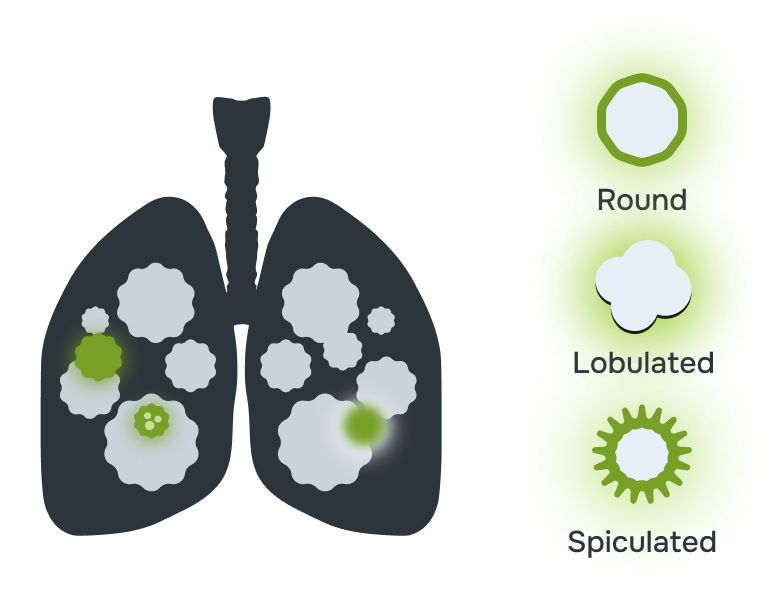
Welcome to our Learning Center page on lung nodules. Here you’ll find essential information about what they are and how they relate to lung cancer.
Read more
Lung cancer: Types, causes & burden
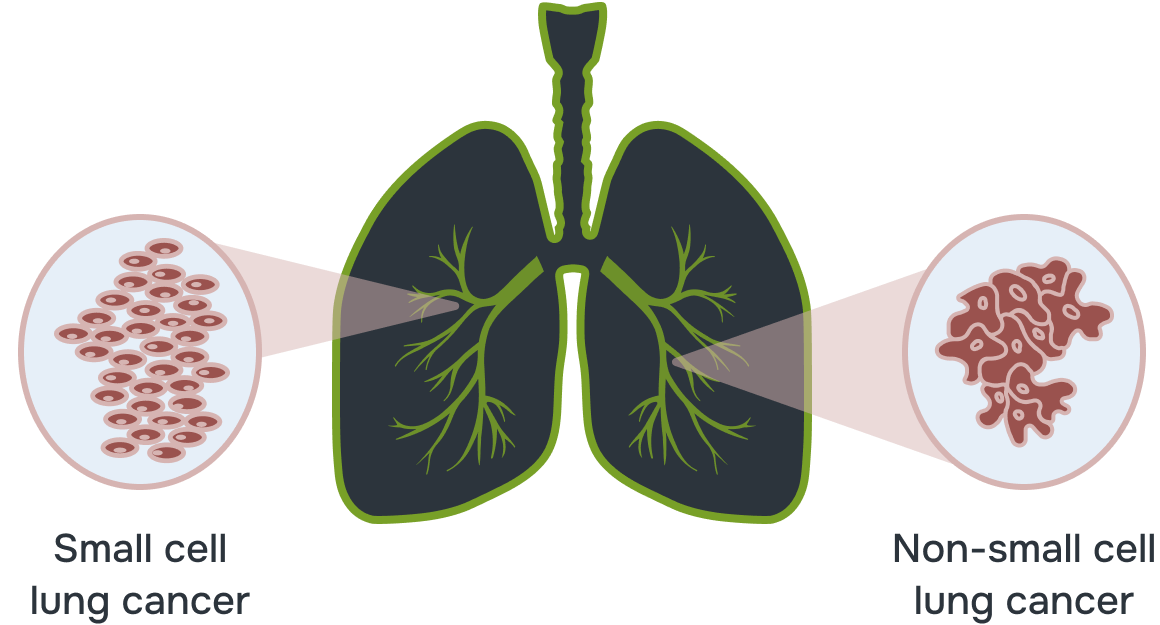
Welcome to one of our Learning Center pages on lung cancer. Here you’ll find essential information about what it is and why early diagnosis matters.
Read more
Lung cancer: From diagnosis to care
Welcome to our Learning Center on lung cancer care. Here you’ll find essential information about how lung cancer is detected, diagnosed & treated
Read more
Certification